There’s something quietly magical about stepping onto a tennis court in the early morning. The air carries that crisp, almost electric freshness, sunlight slanting gently across the surface, and a subtle hush that seems to make each bounce and swing resonate just a bit longer. Tennis may seem simple on the surface—two players, a ball, a net—but the reality is far more nuanced. Every rally, every pivot, and every serve is influenced by the court itself, in ways most players rarely pause to consider.
When I first began exploring the game seriously, I was surprised by how much the quality of a court affected everything. Not just the bounce of the ball, but the way I moved, the confidence I felt, and even how I approached strategy. That’s why understanding tennis court construction prices ↗ matters so much for anyone considering building a personal or community court. Investing in professional planning, quality materials, and skilled labor might seem costly upfront, but the benefits—durability, safety, and playability—pay dividends over years of use. The pricing reflects not just materials but meticulous engineering, drainage solutions, and attention to detail that most players take for granted.
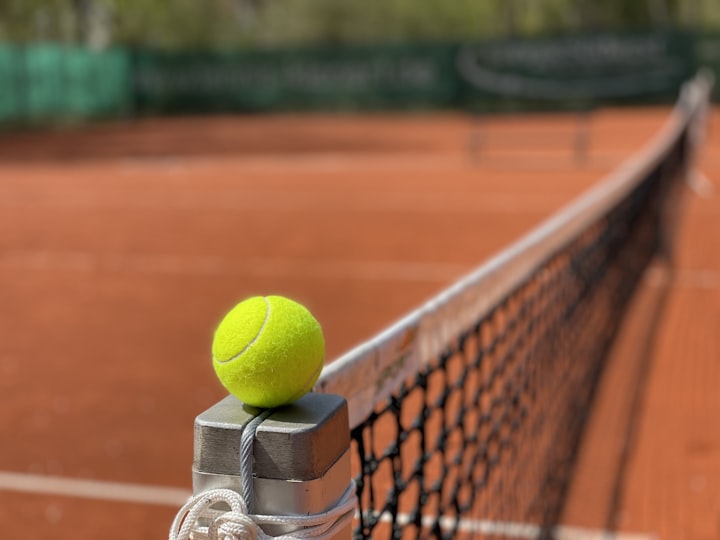 One of the most overlooked elements of a great court is the surface. The choice between clay, grass, hardcourt, or synthetic options determines how fast the ball moves, how your joints handle stress, and how your overall game feels. For instance, clay courts encourage strategic play, grass courts demand quick reactions, and hard courts provide predictable consistency. Modern innovations, like cushioned acrylic layers, blend durability with comfort, creating a surface that supports long rallies without feeling punishing. The surface becomes an unspoken partner in every match, responding to every swing and pivot with subtle precision.
Then comes the matter of finishes and detailing. Lines need to be crisp yet non-intrusive, edges well-defined, and contrast adequate for clear visibility. This is where tennis court paint ↗ plays a surprisingly critical role. Beyond aesthetics, the right paint ensures consistent ball bounce, prevents slippage, and can even enhance the durability of the surface. It might seem like a minor detail, but anyone who’s struggled on faded, uneven lines knows how distracting—or even dangerous—it can be. The proper paint creates a balance between visual clarity and functional performance, seamlessly integrating beauty with practicality.
Environmental factors add yet another layer to consider. Outdoor courts bring sun, wind, and temperature into the equation. You learn quickly to anticipate subtle variations in bounce, shadow patterns, and even wind direction during rallies. A thoughtfully designed outdoor space accommodates these factors, balancing exposure with protection, creating a playing field that feels natural rather than unpredictable. Each court develops its own personality, influencing the flow of a game in ways subtle yet profound.
Construction itself is a delicate dance between engineering and artistry. Grading, drainage, base layers, cushioning, and top surfacing must all work together. A properly built court doesn’t just look good—it feels good underfoot, responds predictably, and supports both intense competition and casual play. Players often take these details for granted, but any seasoned tennis enthusiast can tell when a court was built with expertise versus hastily assembled. The quality of construction underpins every interaction with the space.
Community impact is another understated aspect. Courtyard courts can bring neighbors together, foster friendly competitions, and even inspire beginners to practice more diligently. Children learning the game, adults sharing weekend matches, and clubs hosting tournaments—all benefit from a well-designed, properly constructed surface. A court, in this sense, isn’t just a patch of concrete or clay; it’s a social hub that fosters connection, mentorship, and a sense of shared achievement.
Maintenance further affects how enjoyable and safe a court remains. Even small cracks, faded lines, or minor surface wear can change the feel of every rally. Regular upkeep ensures the space remains reliable, reducing the risk of injury and preserving performance consistency. It’s surprising how much these small details influence play, yet experienced players notice immediately when a court isn’t cared for properly.
Footwork and player movement also tell a story about construction quality. A surface that grips appropriately encourages aggressive, confident movement without causing strain. Cushioning beneath the top layer protects knees and ankles, allowing longer play without fatigue. Good courts feel alive beneath your feet, subtly guiding motion and supporting natural athleticism.
Lighting, orientation, and shading play quieter but equally important roles. Proper sun angles, minimal glare, and unobstructed sightlines reduce visual distractions, allowing players to focus entirely on the game. Even minor misalignments can cause frustration during long rallies, so a thoughtful design ensures comfort without compromising performance.
Ultimately, a tennis court is far more than a simple rectangle with a net. It’s a carefully orchestrated environment that nurtures skill, supports community, and teaches patience, strategy, and adaptability. From the initial construction decisions to material selection, surface treatment, and paint application, every choice contributes to a seamless playing experience. The best courts feel almost invisible—they let players focus on the game, their strategy, and their rhythm, without ever calling attention to themselves.
Next time you step onto a tennis court, pause for a moment. Feel the surface beneath your feet, notice the lines, the texture, and even the subtle slope or firmness. Appreciate the craftsmanship and materials that allow every point to feel responsive and every rally to flow smoothly. A thoughtfully designed court isn’t just a venue—it’s a partner, a mentor, and a stage for countless moments of triumph, learning, and joy.